Opportunities From Within
Ministries > Somebody Loves You with Raul Ries
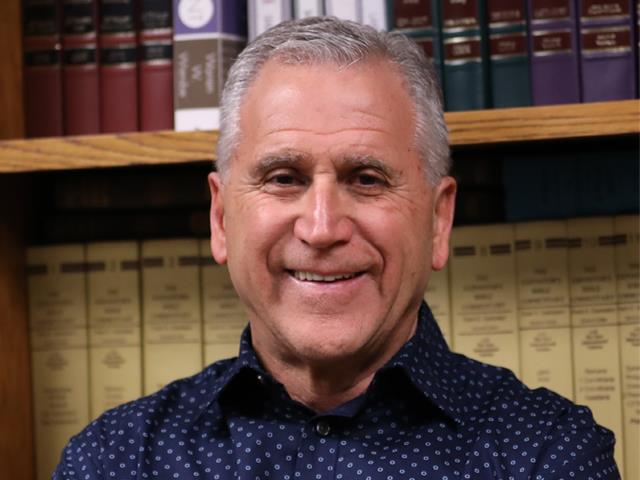
Today as Pastor Raul continues our study of Nehemiah, with a challenge to prioritize peace and unity with your fellow believers. We’re called to work together in building God’s kingdom, but our efforts will stall if we allow conflict, pride, and personal agendas to get in the way. You’ll see that when we seek harmony and treat each other fairly, we can do great things for God. Find out more on Somebody Loves You with Raul Ries.
References
Guest (Male): The Bible says that those who take care of the poor will be blessed. You see, the poor you always have with you.
Guest (Male): But we're not supposed to charge interest to those who borrow money from us if they're Christians. Did you know that?
Guest (Male): When you gave it, you should have known. I'm doing it as unto the Lord and it's a gift. If you pay it back, cool. If not, that's okay too.
Announcer: Welcome to Somebody Loves You Radio, the Bible teaching ministry of Raul Ries in Diamond Bar, California. Today as Raul continues our study of Nehemiah, we’ll get a challenge to prioritize peace and unity with our fellow believers. We’re called to work together in building God’s kingdom, but our efforts will stall if we allow conflict, pride, and personal agendas to get in the way. Stay with us to see that when we seek harmony and treat each other fairly, we can do great things for the kingdom. Today’s study is titled "Opportunities From Within" in Nehemiah chapter five. Here’s Raul Ries.
Raul Ries: Tonight we are going to learn in this great lesson how we as believers need to respond to conflict and complaint when it comes from within, not from outside the walls of Jerusalem. When people are talking about you, when people are against you, when people's hearts are divided and they’re not united with what God is doing. And yet no doubt, Christian leaders always will face opposition in the church. It's been from history, since history started, it's always been a time where Christian leaders always are facing opposition and conflict. I’ve seen it in the ministry for the last 33 years, and yet you will see conflict and complaint not only from the outside as I talked about, but now it’s going to be close to home. These are going to be now God's people, those that have been in Jerusalem. They are poor, they don't have anything, and as some of them began to prosper and some of them began to become wealthy off the poor, they began to oppress the poor. They began to oppress the poor. The rich get richer and the poor get poorer. Nothing new under the sun. And yet Nehemiah will take his role as a leader and he will stand for that conflict that he finds within the cities of Jerusalem. Why? Because the moment conflict started, guess what? The work stopped. They got their eyes off the Lord and they got their eyes on themselves. That's always a problem. But isn't that true in our situations? How many times when you get your eyes off the Lord, there is big trouble. Big trouble. That happened to the people here. They got their eyes off, they became idle. And it's so sad because this was the problem here. People that you were supposed to trust, "Hey, you're my brother. How come you’re ripping me off? How come you’re charging me such high interest instead of really helping me? You're not really helping me, you're helping yourself." Look, let’s begin by looking at that. Chapter five beginning with verse one. Here we see trouble within the camp. And there was a great outcry of the people and their wives against their Jewish brethren. These are their own brethren. It would be like us here at Calvary Chapel if we would rip you off or you would rip us off. We would be pretty hurt. You would be pretty hurt and eventually it would make you angry because you were trusting us and we were trusting you. And that always happens when trouble comes and when people see an opportunity. If there’s greed, then people get hurt. Why? Because those people that want to take advantage of other people and they want to enrich themselves, they don’t care about you or anybody else but themselves. That was the problem here. They started getting so greedy. Here we see the poor people were taken advantage of by the rich because of greed. And yet when you read the book of Haggai, in the book of Haggai only two chapters long, it's actually a book that Haggai the prophet writes when the people of God were being released from Babylon after spending 70 years in Babylon. He writes to us and 55,000 returned and they came back to the land. Many of them returned with pretty wealthy people. They were blessed in Babylon, they brought their riches, they brought their money, and when they got to Jerusalem, they started buying land. And so the prophet Haggai writes and says, "Hey, do you think it's fair that you are building these beautiful panel houses and yet the house of the Lord is not being built? Consider your ways." If you wanted to put a title in the book of Haggai, you should put the title "Seek Ye First the Kingdom of God," Matthew 6:33. The people got so into themselves, selfish, greedy, that they would go out and they would work and make all the money and the house of the Lord, they would walk by and the house of the Lord was a mess and they would go home. And the Bible says this, the prophet says, they had these bags at home, they were no banks and they were filling their bags with money. Read it when you go home. And the Lord says, "Guess what I'm doing? Because you're not seeking first the kingdom of God, the more money you abhor, the more money you’re putting into the bags, guess what I've done? I cut a hole on the bottom of the bag and I'm taking the money out. The more you put in, the more I will take." And when finally God got their attention and they repented and they started building the house of the Lord, which is number one, and when they began to repent and they began to build the house of God, guess what happened? God brought revival. And yet now here they are in Jerusalem, Nehemiah’s there building the walls and some of these people have money, other people don't have money, and those that have already money, they want more money. Greed. And check this out, verse two: "For there were those who said, we are sons and our daughters are many, therefore let us get grain that we may eat and live." The first complaint here is we need food for our large families. Our families have nothing. That's the first complaint, we need food. We need food. Secondly, verse three: "There were also some of those who said, we have mortgaged our lands and vineyards and houses that we might buy grain because of the famine." The landowners, notice, mortgaging their properties to the rich just to get food. And then the third group, verse four: "There were also those who said, we have borrowed money from the king’s tax and our lands and vineyards. And yet now our flesh is as the flesh of our brethren, our children as their children, and indeed we are forcing our sons and our daughters to be slaves." What were they doing? They were taking their children away from them because they had no money and making slaves so they could feed the parents. The parents were giving away their children. Heavy. They had gotten to a point of greed. The whole inner camp was messed up. And here is Nehemiah with the people of God here. In verse four there were saying, "We have borrowed money to pay our taxes and yet we don't have enough." And then in verse five, notice, due here to financial hardships, they had been faced not only with their children's slavery, but he says, "And some of our daughters have been brought into slavery, it is not in our power to redeem them, for other men notice have our lands and vineyards, we can't do anything, our hands are tied, we have nothing to get our children back." Can you imagine how those parents must have felt to see their children being taken away from them and using them as collateral because they couldn't eat when the rich had so much and they could have shared? Man, if we would take what the Old Testament taught concerning welfare, we would not have a welfare problem today in the world. You say, "What was that?" Back in the book of Deuteronomy, God told the nation of Israel that they were to work the land for six years. Work it. And every time they would work it, they would always have at the end of the harvest enough food left behind. They would only can go once through the field and then the second time would be by the poor, and the poor would get all the remains and they would be taken care of. But because they became greedy and they started working the field seven years instead of six years. God says, "You work six years, on the seventh year, take an R and R, take a vacation for a whole year and you don't have to work because I supply everything for you." That was God's law and they said, "Oh no, we want seven years." So they started working seven years and they got so greedy that they had to pay back God for every year they took from him. They paid it back in Babylon, 70 years. Interesting. God has a beautiful plan in the Old Testament. God already had set up his law and what did men do? Men just messed it all up because of sin, because of greed. You see? And here these people are crying out because not only are they losing their lands, they're losing their children, they're losing their houses, they’re losing their properties inside, not outside, those inside were becoming richer and richer and the poor became poorer and poorer.
Announcer: You’re listening to Somebody Loves You Radio with Raul Ries. We’d like to take a brief timeout to remind you that we're here to help you establish godly habits grounded in the word of God. Visit somebodylovesyou.com to browse our full selection of resources. You can also download our app for live streamed Bible teaching and digital Bible studies. Now back to more with Raul Ries.
Raul Ries: And then Nehemiah steps in, verse six to 13. Here we see the leader's anger. "And then I, Nehemiah, became very angry when I heard the outcry of these words." The rich people were violating the law of Moses that God had given to them. You see, his anger is over the injustice done to God's people. Verse seven: "And after a serious thought I, Nehemiah, rebuked the nobles and the rulers and I said to them, each of you is exacting usury from his brother." So I called a great assembly against them. Notice that Nehemiah begins to resolve the problem and the complaints against the nobles and those that were the leaders. "Hey, what is the matter with you guys?" He’s rebuking the leaders. The leaders were ripping off the people. They were just charging high interest and taking the people for a ride. And Nehemiah was mad. Watch this, verse eight: "And then I said to them, according to your ability we have redeemed our Jewish brethren who were sold to the nations, now indeed will you even now sell your own brothers or should they be sold to us?" They were silenced and found nothing to say. What did Nehemiah say? "Don't you guys remember when the Assyrians came and when Babylon came and our people were taken captive and they became slaves to the heathens, and now we’re doing it ourselves, among ourselves? What is your problem? Don't you guys remember?" Verse nine: "Then I, Nehemiah, said, what you are doing is not good. Should you not walk in the fear of our God because of the reproach of the heathens, our enemies?" What is he saying? He says, "What kind of a witness are you showing? You're blowing your witness to the heathens and here we are supposed to know Jehovah God. Bad, bad testimony. Bad, especially among Christians. If you're a businessman, make sure you have a good testimony with your business. Don't rip people off. You won't prosper the way you think you'll prosper. God will deal with you just like here." That's what he says in verse nine here. He said, "Whatever happened to the fear of the Lord? Don't you fear God? Don't you know that God will judge? You see?" Verse 10, notice his command: "I also with my brethren and my servants, I am lending them money and grain. Please let us stop this high interest stuff." Notice what he does. Here he promises compensation to them of his own money. He’s going to help the leader. "Restore now to them. Hey, whatever you took, give back to them. That's true repentance. Don't keep it for yourself. Restore now to them even this day their lands, their vineyards, their olive groves, their houses, and also a hundredth of the money, of the grain, new wine, and oil that you have charged them for. Give it all back if you really want the blessing of God." Notice that. He's charging them to pay back the poor. The Bible says that those who take care of the poor will be blessed. You see, the poor you always have with you, but we’re not supposed to charge interest to those who borrow money from us if they’re Christians. Did you know that? We're not supposed to charge interest. When you gave it, you should have known. I'm doing it as unto the Lord and it's a gift. If you pay it back, cool. If not, that's okay too. Look what else, verse 12: "And so they said, we will restore it." Notice they’re willing to do it. "And I will require nothing from them. We will do as you say. Then I called the priest and required an oath from them that they would do according to this promise." He didn't waste any time. He says, "We’ll do it." Okay, before they change their minds, let’s do it now. Let’s make an oath right here. We’re not going to give it a couple days, we’re going to do right now to make sure you give back what you took. Notice that. Verse 13: "And then I shook out the fold of my garment and said, so may God shake out each man from his house and from his property who does not perform this promise." Notice what he's doing. He’s pronouncing judgment on those that don't want to do it. "May God shake you out. May God just take you out completely if you don't accept the responsibility before God and you lie and you cheat." It would be like Ananias and Sapphira in chapter five, remember, of Acts? When they came and Ananias talked to his wife and said, "Look, we sold this property, we made this much money, and now I want you to go and give this to the church." So when they came, Peter, he shows up, Ananias, and says, "All that I have I give to the Lord." And Peter said, "Oh, that's wonderful, but Ananias, why have you lied to the Holy Spirit? You see?" He was being a hypocrite. Because three hours later when Ananias fell dead because he lied to the Holy Spirit, you see, and he did not give to God what he’s supposed to give to God. What happened? His wife came in three hours later and said, "Oh, blessed be the Lord, Peter." And he said, "Hey, did you sell the land for so much and this and this and that?" And she said, "Yes." And she dropped dead at the very moment. He said, "The same people that carried your husband out just a few hours ago are going to carry you out and they're going to bury you with him." Ananias and Sapphira. Why? They were lying to the Holy Spirit, not to Peter. You're not lying to me, you're not lying to anybody else, you're lying to the Holy Spirit and God brought judgment upon them and took their lives. Verse 13: "And as I shook out the fold of my garment said, so may God shake out every man from his house and from his property who does not perform this promise, even thus may he be shaken out and emptied." Notice what he says. "May you go broke. God’s going to take everything from you for being a liar and a cheat and grieving the Holy Spirit of God. And all the assembly said, Amen, and praised the Lord." And then the people did according to the promise. The fear of the Lord came and they said, "No, no, we got to get things right. We got to do it God’s way, not our way." You see? That’s the sign of a good leader talking to his people. Then Nehemiah again, notice the example, verse 14 to 19. "And moreover, from the time that I was appointed to be their governor in the land of Judah, from the 20th year until the 32nd year of King Artaxerxes, 12 years, neither I, Nehemiah, nor my brothers ate the governor’s provision." Notice that. They refused to eat with the hierarchy and with the rich because they wanted to be with the people. With the people. Notice that. He was selfless, generous, and what he had, he gave. He didn't keep it to himself, he and his brothers. Verse 15: "But the former governors who were before me laid burdens on the people and they took from them bread and wine, besides forty shekels of silver. Yes, even their servants bore rule over the people, but I, Nehemiah, did not do so because of the fear of the Lord." Underline that, why he did it: because of the fear of the Lord. Notice his integrity. It’s in the Lord. Incredible Nehemiah, what a great leader here. He did not profit financially from any of the people. You see, he didn't rip anybody off. He loved the people and he gave to the people. Secondly, he was single-minded in verse 16: "Indeed I also, Nehemiah, continued the work on this wall and we did not buy any land, all my servants were gathered there to work." Notice that: "I did not take advantage of anyone, nor did I take anybody's land." I didn't take advantage of anything. Notice that. Verse 17: "And at my table were 150 Jews and rulers besides those who came to us from the nations around us." What did he do? He was godly Nehemiah, notice, helped with the burden and he supported those that needed support.
Related Episodes
The Word Of God Taught
Friday, October 2
The Enemies Distraction
Thursday, October 1
God Will Fight For Us Pt.2
Tuesday, September 29
About Somebody Loves You
'Somebody Loves You' program is designed to equip listeners with the necessary tools to live out their faith. 'Somebody Loves You' features Raul Ries' humorous, sensible and comprehensible teaching of God's Word.About Raul Ries
Raul Ries is the Senior Pastor of Calvary Chapel Golden Springs and President of Somebody Loves You Ministries. After his miraculous conversion in 1971, Raul began to read and study the Bible extensively even though he had a limited education. In 1974 he began a home Bible study with seven other committed individuals. Soon, he started to preach and counsel youth during the noon hour at his former high school, Baldwin Park High. Calvary Chapel West Covina grew out of Raul's home fellowship, as well as his Kung-Fu studio, and was soon meeting weekly at an old converted Safeway store. In 1993, the congregation moved to Diamond Bar and occupied a 101,000 square-foot corporate building on 28 acres. Calvary Chapel Golden Springs (as it is now called) draws between 10,000 - 12,000 in attendance weekly.
Author of several books, including Fury to Freedom (the story of his early life and dramatic conversion), Raul Ries has also produced three films: Fury to Freedom (feature film dramatization of the book); A Quiet Hope (a riveting and stirring documentary detailing seven soldier's accounts of the Vietnam War and its aftermath); and A Venture in Faith (a documentary of the history of the Calvary Chapel movement).
Contact Somebody Loves You with Raul Ries
Mailing Address
Somebody Loves You Radio
P.O. Box 4440
Diamond Bar, CA 91765
Telephone
(909) 396-1884


